



Charlotte Allen’s memory loss wasn’t noticeable at first. It looked like the kind of forgetfulness many people experience as they age—a misplaced item, a missed meal, and unfinished chores around the house. But over time, her son, Howard Bynum, noticed these weren’t isolated moments. The changes were becoming more frequent, and it was beginning to affect her daily life.
Then came the dementia diagnosis.
Like many families, Howard adapted as his mom’s needs evolved. He helped where he could, and he cherished the time they spent together. But as Charlotte’s memory changes progressed, he found himself taking on more responsibilities.
Eventually, Howard realized that his mom needed more specialized support. He missed simply being her son. He knew they were losing precious time together while he struggled to be the caregiver she needed.
Recognizing When Needs Begin to Change
Many families experience a gradual shift rather than a defining moment. A parent who has always been independent may begin to forget appointments, struggle to manage medications, withdraw from favorite activities, or have difficulty keeping up with household responsibilities.
These changes don’t always mean a loved one needs immediate full-time care, but they are often signs that additional support could improve both safety and quality of life. Recognizing these changes early allows family to make thoughtful decisions instead of waiting for a crisis.
The Emotional Weight of Becoming the Caregiver
For many adult children, stepping into the role of caregiver happens naturally. They begin helping with errands, attending doctor’s appointments, managing finances, or preparing meals. Over time, those responsibilities can grow into a commitment that one person can’t handle alone.
While caregiving is an incredible act of love, it can also change the relationship between parent and child. Caregivers can find themselves spending more time coordinating care than enjoying time together. This can bring a feeling of grief and longing for deeper moments of connection.
“There are certain things I just can’t provide,” Howard said. “At some point, you realize you can’t do it all. This was the best option for her needs and mine.”
Seeking additional support isn’t about giving up. It’s about ensuring an older adult receives the care they deserve, while allowing the family to return to what matters most: enjoying every moment together.
Finding the Right Level of Support
Every family’s journey is different. Some older adults benefit from a little assistance with daily routines, while others living with memory loss may need specialized assisted living memory care designed around their unique needs.
Communities like Episcopal Church Home (ECH) offer personalized support, including assistance with activities of daily living, medication management, nutritious meals, engaging social opportunities, and care in a safe, welcoming environment. Just as importantly, ECH’s specially trained team members create opportunities for residents to maintain purpose, dignity, and meaningful connections every day.
“Our goal isn’t simply to provide care. It’s to create opportunities for joy, purpose, connection, and comfort every day,” said Bryan Berman, ECH household coordinator. “Even as memory changes, meaningful moments are still possible.”
Peace of Mind for the Whole Family
Deciding to move a loved one into an assisted living memory care community is rarely easy. Families often wrestle with feelings of guilt, uncertainty, and the fear of change.
Yet many discover something unexpected after the transition: relief.
Instead of worrying about safety, medication schedules, or being available during the day, families can focus on sharing meals, celebrating birthdays, reminiscing over old photographs, or simply enjoying each other’s company. They become sons and daughters again, rather than full-time caregivers.
For Howard, choosing memory care meant his mom received compassionate, specialized support from a team that understands dementia. It also gave him the gift of spending meaningful time with his mother- creating more memories instead of worrying about her health.
Related blog: What to Expect When Transitioning to Memory Care
Knowledge Brings Confidence
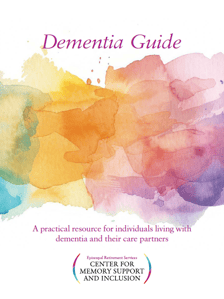 If you’ve noticed small changes in your loved one’s memory, you don’t have to navigate the journey alone. Learning about dementia and understanding what to expect can help you make informed decisions with greater confidence.
ECH’s Dementia Guide is a free resource designed for families at every stage of the dementia journey. Inside, you’ll find information about recognizing the signs of dementia, understanding disease progression, and knowing when it may be time to consider additional support.
Whether you’re just starting to ask questions or actively exploring memory care, the Dementia Guide offers trusted information, practical tips, and compassionate guidance to help you and your loved one every step of the way.

Take the Next Step
Episcopal Church Home is committed to helping older adults experience connection, purpose, and dignity.
If you’re exploring memory care for yourself or someone you love, our team is here to help. To schedule a tour, contact Elizabeth Pace, director of community relations, at 502.736.8043 or epace@erslife.org.