



Quick answer: There's rarely one defining moment that signals it's time for memory care. For families supporting a loved one with dementia, the need often emerges gradually. Below, we walk through seven commonly missed signs and practical next steps to help you explore options before a crisis forces the decision.
When someone you love is living with dementia, it can be difficult to know when they need more support.
Maybe your mom has become more forgetful, or your dad has started repeating the same questions. At first, these changes may seem manageable. You find ways to help, adjust, and step in when needed.
Eventually, those small moments can begin to add up.
Knowing when it may be time to consider memory care is not always easy. There may not be one defining moment that tells you it’s time. Instead, families often notice gradual change in their loved one’s ability to manage daily life safely and comfortably.
Recognizing those changes can help you have important conversations sooner—before a crisis decides for you.
Why Knowing the Right Time Can Be Difficult
Memory loss and other changes associated with dementia often happen gradually. Families may adapt along the way without realizing just how much additional support their loved one now needs.
There may also be an understandable desire to preserve independence. You may want your loved one to remain in the home they know, surrounded by familiar belongings and routines. Considering a move to memory care assisted living can feel like you’re taking something away.
But asking for more support does not mean giving up on independence.
In many cases, the right support can help a person living with dementia remain engaged, connected, and involved in daily life while providing the structure and safety they need.
7 Signs Families Often Miss
Some changes are easy to recognize. Others can be subtle, particularly when you’ve been helping your loved one adjust over time.
Here are seven signs that may be worth paying closer attention to.
1. Small Changes in Safety
A pot left on the stove. A door left unlocked. A fall that "wasn't a big deal."
One incident may not mean memory care is needed. But when safety concerns become more frequent, they deserve attention.
Changes in memory, judgment, and problem-solving can make familiar activities more difficult to manage safely. Pay attention to patterns, particularly when your loved one is no longer able to recognize or respond to risks independently.
2. Changes in Hygiene or Appearance
You may notice that your normally well-groomed parent is wearing the same clothes for several days in a row, forgetting to shower, or struggling to maintain their normal routine.
These changes are not necessarily about a lack of interest in personal care. Tasks like bathing, dressing, and grooming require multiple steps and some planning.
When those routines begin to break down, it may be a sign that your loved one needs more support with daily activities.
3. Changes in Shopping, Cooking, or Eating
Sometimes the kitchen tells a story.
You might find expired food in the refrigerator, multiple unopened packages of the same item, or very little food at all. Your loved one may also begin skipping meals, forgetting how to prepare familiar recipes, or struggling to make a grocery list.
These changes can indicate that managing meals and household chores has become more difficult.
4. Withdrawal from Things They Once Loved
Perhaps your mom once enjoyed hosting family gatherings but now avoids them. Maybe your dad has stopped attending his weekly card game or no longer calls his friend he’s known for years.
Changes in social engagement can have many causes, but for someone living with dementia, withdrawing from familiar activities may be connected to confusion, anxiety, or frustration.
Someone may avoid social activities when they are worried about forgetting someone’s name, losing track of a conversation, or not knowing what to do next.
Maintaining meaningful relationships and opportunities for connection is an important part of quality of life, which makes social isolation worth noting.
5. Wandering or Getting Lost
Your loved one may get confused on a familiar drive, forget where a longtime friend lives, or leave home without being able to explain where they are going.
Wandering and getting lost can create safety concerns for people living with dementia. If this is happening, talk with your loved one’s health care provider and consider whether the current living environment provides enough support.
6. Increasing Strain on the Family Caregiver
Sometimes the clearest sign that more support is needed is the growing impact that caregiving can have on a family.
You may find yourself providing more hands-on assistance, missing work, losing sleep, or feeling that you need to be available around the clock.
If caring for your loved one has become more than your family can manage, that does not mean you have failed. It may mean that your loved one’s needs have changed, and the support system needs to change with them.
Related Blog: Caregiver Burnout: Learn to Recognize the Signs
7. Medication Mistakes
Managing medication requires organization, memory, and consistency. For those experiencing cognitive changes, it can become too hard to manage on their own.
Missed doses, taking medications more than once, or finding pills untouched in a medication organizer can all be reasons to take a closer look at your loved one’s ability to manage medications safely.
If medication mistakes are becoming a pattern, talk with their doctor about additional support.
Look at the Bigger Picture
Your loved one does not need to experience every sign on this list before you consider memory care assisted living.
Instead, look at the overall picture.
Ask yourself: Is my loved one safe, comfortable, and connected in their current environment?
If the answer is “not without significant help,” it may be time to explore other options.
It can also help to pay attention to what you are seeing over time. Families sometimes recognize that something has changed before they can explain exactly what it is. Taking those observations to your loved one’s doctor can be an important first step.
What to Do When You're Not Sure
You don’t have to make the decision all at once. Taking a few practical steps can help you understand what your loved one needs and what options are available.
- Talk with the doctor. A medical evaluation can clarify what's happening and rule out treatable causes like medication side effects or infections.
- Keep a simple log. Jot down the moments that worry you—dates, what happened, how often. Patterns are easier to see on paper.
- Loop in family early. Share what you're noticing with siblings or close relatives. You don't have to carry this decision alone.
- Visit a memory care community. Touring while you still have time takes the pressure off. You'll learn what good care looks like and feel more confident when the moment comes.
Related Blog: What Person-Centered Care Really Looks Like
Take the Next Step
Recognizing that it might be time for memory care doesn't mean you've failed your loved one. It’s a recognition that their needs have changed, and that you want to make sure they have the right support as they age.
You don’t have to wait for a crisis to start exploring your options.
If you’re considering memory care for someone you love, Episcopal Church Home is here to help.
Contact Director of Community Relations, Elizabeth Pace, at 502.736.8043 or epace@erslife.org to get a complimentary tour of our memory care neighborhood and receive a no-cost printed copy of the Dementia Guide.

Download Our Free Dementia Guide
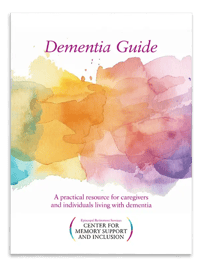
Learn more about dementia, including diagnoses and what to expect, communication tips and brain health strategies, as well as practical tools for navigating day-to-day challenges in our newly updated Dementia Guide.