


Noticing changes in someone you love is never easy. It can be even harder when those changes are subtle or easy to explain away. When we want the people we care about to be well, it is natural to look for reassurance rather than reason for concern. But allowing yourself to pay closer attention could make a real difference to your loved one's safety, wellbeing, and quality of life.
Recognizing early signs of dementia means giving your loved one the best chance of getting the right support, having important conversations sooner, and taking the next steps with clarity. Early awareness opens doors to appropriate care, planning, and honest conversations. Early discussions also allow the person with cognitive loss to be involved in planning their future, ensuring that their desires are known.
Helping your loved one starts with knowing what to look for. In this blog, you’ll learn some of the common early signs of dementia so that you feel empowered to support your loved one.
Frequent Memory Lapses
Memory lapses are often one of the first symptoms of dementia that families notice in a loved one. It's important to understand, however, that not all forgetfulness is a cause for concern—some degree of memory change is a natural part of getting older.
Normal age-related memory lapses tend to be minor and occasional. You might misplace your keys, forget a specific detail from a conversation the day before, or temporarily lose track of a word you were looking for. These moments can be frustrating, but they don't typically interfere with daily life. Dementia-related memory loss is different in both frequency and significance. Rather than forgetting a small detail, a person with dementia may forget entire events—such as a meal they had that morning, or a meaningful occasion like a wedding anniversary or a grandchild's birthday.
It's also worth noting that people in the early stages of dementia are often aware of their own memory difficulties. As a result, many become skilled at masking lapses—laughing them off, changing the subject, or leaning on others to fill in the gaps.
Word recall can also be an early indicator of dementia. Most of us have experienced the occasional "tip of the tongue" moment—a familiar word or name that you can’t remember the moment you need it. However, when word-searching becomes frequent, or when a person regularly substitutes words that don't quite fit, it may be worth paying closer attention.
Reliance on Notes and Reminders
Writing notes and reminders is something most of us do at any age—writing down a lunch date, an upcoming appointment, or a to-do list is perfectly normal. The difference worth paying attention to is not whether your loved one uses reminders, but what they're using them for.
If you visit their home, take a moment to look around. If you notice reminders about tasks that would once have been second nature—locking the front door, turning off the stove, or following the steps of a daily routine they've done for decades—this may suggest they are struggling with everyday habits. When someone begins to need notes and reminders for ingrained routines, it can be one of the early signs of dementia.
Changes in Mood
Memory difficulties can bring with them a heightened sense of confusion and fear. When someone notices that they can’t recall things the way they used to, anxiety and depression can follow.
In some cases, depression can appear years before any noticeable memory loss. This is particularly true in older adults who have never experienced depression before. Rather than being a reaction to memory difficulties, these mood changes can reflect early changes in the brain itself. Withdrawal from social activities, a loss of interest in hobbies they once enjoyed, or a flat emotional state can all be early signals of dementia.
Changes in Judgement and Concentration
Early signs of dementia may include changes in judgment and difficulty concentrating. You might notice your loved one struggling to make decisions that once came easily to them—whether that's managing finances or recognizing an unsafe situation.
Your loved one may find that sustained focus or multitasking is becoming increasingly difficult. This is a warning sign, especially if they previously handled multitasking with ease—a person who once managed a busy household, kept on top of their finances, or followed a complex recipe without a second thought. They may begin to find these tasks overwhelming or confusing.
Changes in Gait and Balance
It might not be the first thing you'd associate with dementia, but a noticeable change in the way your loved one walks can be an early warning sign. Research has found a strong link between walking ability and brain health. Walking is not as automatic as it might seem, it requires scanning the environment, navigating around obstacles, and doing so while carrying out other tasks.
As we age, walking naturally becomes less automatic, and the brain must work a little harder to keep up. In someone with early dementia, the brain has a reduced ability to compensate for this change—and as a result, you may notice them moving more slowly than usual, shuffling their feet, or appearing unsteady.
It's important to note that an unsteady walk on its own is not a definitive sign of dementia. However, if you are noticing this alongside other changes like memory lapses and mood shifts, it may be worth talking with your loved one’s doctor.
Explore Episcopal Church Home’s Memory Care
If you are noticing early signs of dementia in your loved one, or they have recently been diagnosed, know that you do not have to navigate what comes next alone. As dementia progresses, many families find comfort and reassurance in the support of a dedicated memory care community.
At Episcopal Church Home (ECH), our Memory Care Assisted Living neighborhood is a thoughtfully designed environment where individuals living with dementia receive care rooted in dignity and compassion. Our caregiving staff have dementia-specific training, and residents have access to programs designed to support cognitive wellbeing within a secure environment that prioritizes their safety. Residents enjoy private suites, shared living, and dining spaces, and 24-hour care and assistance.
ECH supports families through every stage—so you can focus on what matters most: meaningful time with the person you love. Contact Elizabeth Pace at 502.736.8043 or email at epace@erslife.org, director of community relations, today to get a complimentary tour of ECH’s Memory Care Assisted Living neighborhood and a no-cost printed copy our Dementia Guide for clear, compassionate answers to common questions.

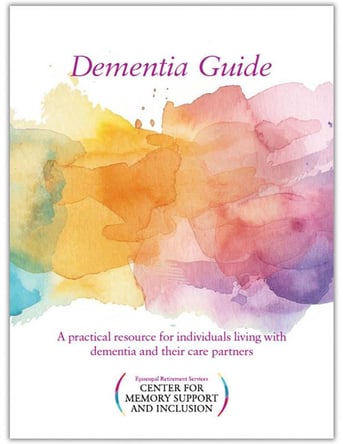
Download Our Free Dementia Guide
Learn more about dementia, including diagnoses and what to expect, communication tips and brain health strategies, as well as practical tools for navigating day-to-day challenges in our newly updated Dementia Guide.