

At Episcopal Retirement Services (ERS), we see every day how life in a continuing care retirement community (CCRC) can increase social activity and overall quality of life for adults ages 62+, and new research shows that our approach to enriching residents’ lives aligns with national best practices.
A recent Washington Post report on a Journal of the American Medical Association study found that moving to a retirement community can boost participation in community life, in turn improving quality of life and socialization.
Researchers measured five types of social engagement: spending time in person with friends or family, going out for leisure such as dining or attending movies and plays, attending religious services, participating in clubs or classes or other organized gatherings, and volunteering.
Before moving to a retirement community, participation in these kinds of social activities tended to gradually decline for many older adults. According to the Surgeon General, social isolation is as harmful for older adults as smoking 15 cigarettes per day, and can result from mobility challenges, limited transportation, or distance from family and friends. Fortunately, the study found that those who moved to a retirement community felt less isolated and often found joy in an active community setting that provided them with support and many opportunities for socialization and doing things they enjoy.
How ERS Communities Help Residents Thrive
 At ERS CCRCs—Episcopal Church Home (ECH) in Louisville, Kentucky, and Marjorie P. Lee (MPL) and Deupree House (DH) in Cincinnati, Ohio—community living can give older adults a renewed sense of purpose and help them build meaningful relationships with other residents and staff, as much or as little as they’d like.
Nearly everything residents need is conveniently located under one roof. A full calendar of activities and events, special interest groups, committees, and on-site religious services mean residents can nurture their health and well-being without having to leave the community.
Each campus includes a chapel and offers faith-based services that reflect a variety of religious traditions. With engaging programs and special events designed for residents at every level of care and support, it is easy to stay active, connected, and fulfilled year-round. This is especially valuable during inclement weather.
Related Blog: Living at Deupree House, Where the Days Are Sunny and Bright!
Even with endless on-campus activities, our CCRCs also offer transportation for off-campus outings such as plays, dinners, and museum visits. In Louisville, residents enjoy outings to the Waterfront Botanical Gardens, Frazier History Museum, Maker’s Mark Distillery tours, and more. In Cincinnati, popular trips include performances at Music Hall, visits to Krohn Conservatory, and dinners downtown or in Hyde Park.
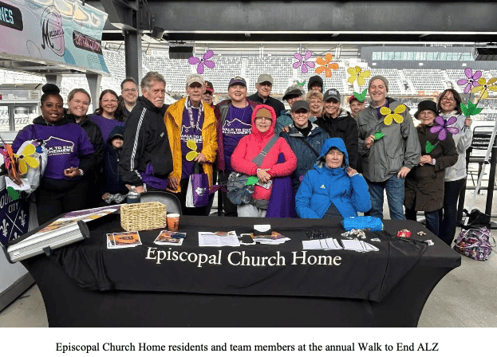
Residents also take part in local community events such as the Walk to End Alzheimer’s, an annual event hosted by ERS partners, Alzheimer’s Association. In 2025, ECH sponsored the Louisville chapter walk, where residents helped fundraise and show support for the cause, and MPL and DH residents attended the Cincinnati walk, expanding ERS’ impact across the Tri-state area.
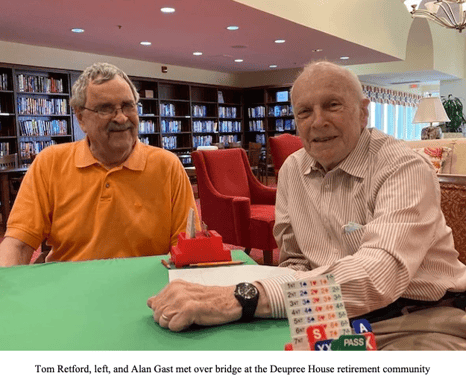
From table games like Mahjong and Bridge to resident groups such as the landscaping committee and wine club to gatherings like knitting club and a variety of exercise classes, there is something for everyone at our CCRCs.
Creating More Inclusive Resident Experiences
Even with these positive findings, the study reminds us that not everyone benefits in the same way. Men, those in long-term nursing care, and Black, Indigenous, and People of Color (BIPOC) residents were less likely to experience increased community participation. At ERS communities, we’re actively working to change that through programming designed with these groups in mind.
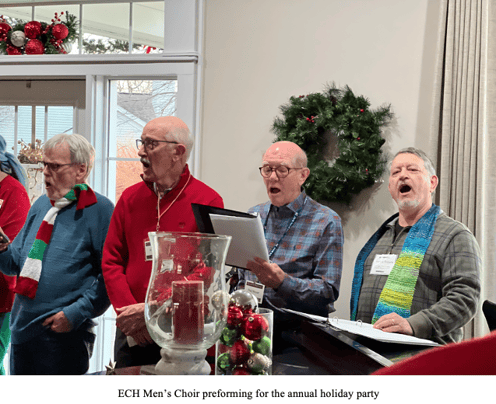
According to the CDC, about 70% of older adults in residential care communities are female. Given this, we recognize that male residents may not always experience the same level of connection or socialization. To help strengthen these bonds, our communities host activities and groups that specifically focus on bringing male residents together. Meaningful resident connections are made through events like men’s breakfast or luncheons and a men’s choir group.
 For higher levels of care, ECH is the only community that offers memory care to men in the Louisville area, supporting both their care needs and providing socialization opportunities and enrichment.
We also offer a customized activities calendar just for our long-term care residents. Our life enrichment team puts together meaningful programs designed to help residents feel engaged and connected, including musical performances, art therapy, games that support brain health, and seasonal activities. These kinds of shared experiences can spark moments of joy and bring people closer together, even in small but powerful ways.
Related Blog: More Than a Celebration: Juneteenth at ERS Reflects Our Commitment to Our Values
At ERS, inclusion is one of our core values, and we believe in building communities where everyone feels they truly belong. We know we are better together, which is why we offer programming that celebrates and lifts all those we serve, including BIPOC voices in our communities, celebrating observances such as Black History Month and Juneteenth.
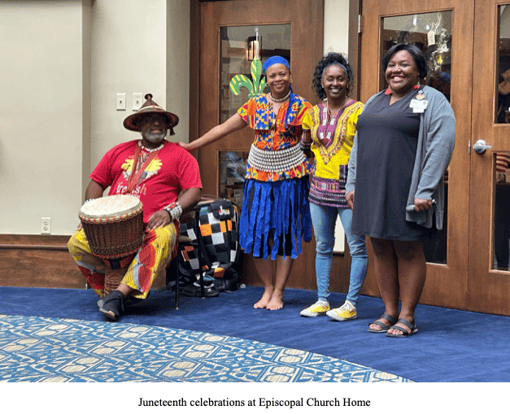
At our most recent Juneteenth celebration, our communities celebrated by inviting speakers and educators who helped team members and residents learn more about the holiday’s origins and significance. Together, communities reflected and celebrated with storytelling, dancing, and meals rooted in African American culinary traditions. These moments of learning and joy brought residents, staff, and neighbors closer together.
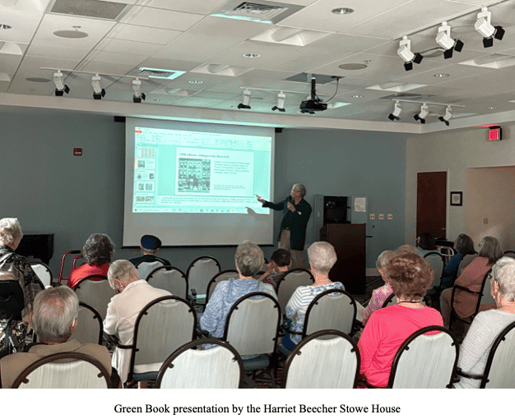
Across the organization, our staff-led BIPOC Affinity Group also supports residents through inclusive programming. One example is a four-part resident book series on “What If I Say the Wrong Thing?”, a practical guide offering resources and actionable tips for navigating diversity to foster dialogue on inclusion.
We Can Do Better Initiative
ERS’ We Can Do Better initiative, launched in 2020, is an ongoing effort that guides our work to listen, learn, and grow together through dedicated committees and affinity groups, educational programs, inclusive hiring practices, open dialogue, and more.
As ERS President and CEO Laura Lamb explains, “I’m constantly reminded that you can only manage what you measure.” Our yearly We Can Do Better Scorecard tracks representation among residents and team members to help us plan and support programming throughout our communities and determine where we can continue to improve.
Related Blog: ERS issues its We Can Do Better Scorecard for Diversity, Equity, and Inclusion
In 2025, ERS created an Interrupting Biases “Ism” Training session attended by almost 90% of staff members across the organization. The training focused on “isms” such as racism, sexism, ageism, and other forms of bias affecting our world at large, and explored how we can better understand and address implicit bias to foster a more inclusive culture for both residents and staff. When team members are educated on inclusivity, that knowledge extends throughout the community, benefiting the residents and families we serve.
ERS has set the standard for inclusivity initiatives on a national level, too. Laura Lamb, accompanied by board member Dora Anim, and director of clinical and community engagement Felicia Beckham presented to a engaged audience at the 2025 LeadingAge Annual Meeting, an association representing not-for-profit and mission-driven aging services providers across the U.S. Experts in the industry from around the world attended the annual meeting—and many attended their presentation on ERS’ five-year journey to creating inclusive and values-based leadership in senior living.
Is It the Right Time?
Moving to a CCRC offers more than care and support—it’s a place to build meaningful social connection, to experience vibrant community living, shared purpose, and a sense of belonging.
ERS communities are committed to helping these community benefits reach everyone, including groups that may have fewer opportunities for engagement, such as male residents, residents in long-term care, and residents from diverse racial and cultural backgrounds. Through intentional programming designed to meet interests and needs, we’re building communities where residents can feel seen, supported, and empowered.
If you’re wondering when it’s the right time to consider a retirement community, complete our no-cost (and quick) 4–5-minute survey to learn more about which living options may be the best fit for you and your family.