


Many times, when families think about caring for a loved one living with memory loss, safety and physical care tend to be their main concerns. While these aspects of caring for a loved one are important, there is another risk: social isolation.
The U.S. Surgeon General has identified loneliness as an epidemic, with effects on physical, mental, and emotional health comparable to smoking 15 cigarettes a day. Another 2025 study found that adults aged 65 or older who were socially isolated experienced a 60% higher risk of depression.
For those living with Alzheimer's or another form of dementia who are already at an increased risk of depression, isolation can accelerate cognitive decline and slowly diminish quality of life.
But with the right environment, that risk can be meaningfully addressed. Memory care assisted living communities are uniquely positioned to provide the social connection, structured engagement, and consistent social interaction that benefits older adults with memory loss.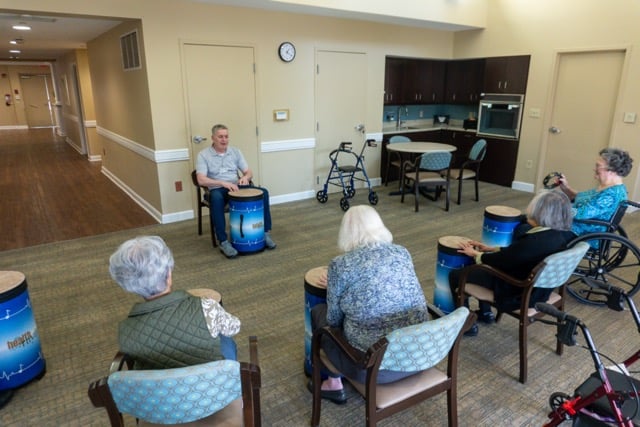
Why Memory Loss Itself Can Lead to Isolation
Isolation and feelings of loneliness are common in older adults for many reasons. Mobility issues, lack of reliable transportation, and living alone are a few barriers that can make social connection more difficult. But for many people living with dementia, isolation is a direct result of the condition itself and understanding why can help families support their loved one.
Memory loss changes social confidence. A person who once socialized with ease may begin to feel embarrassed when they forget a familiar name or repeat themselves without realizing it. That embarrassment can cause them to pull back from the social situations they once enjoyed.
As memory loss progresses, the ability to initiate connections can also become harder. Hobbies, clubs, and social routines that once created natural opportunities for connection may no longer feel accessible.
The “caregiver dynamic” can also contribute to feelings of loneliness. When a family member steps into the role of primary caregiver, the relationship naturally shifts. A relationship once rooted in meaningful connection can get bogged down by caregiving responsibilities.
The Health Consequences of Isolation for Those with Memory Loss
Social isolation is not just an emotional experience, it has health consequences, too.
Research consistently shows that loneliness and lack of stimulation can accelerate cognitive loss. Social interaction is a powerful tool for supporting brain health, as it engages memory, language, attention, and emotional regulation. Without the stimulation socialization provides, the brain loses an important source of exercise. Depression and anxiety are common side effects of memory loss and isolation can compound these feelings.
Signs Your Loved One May Be Experiencing Isolation
If you are caring for a loved one at home, here are some signs worth paying attention to:
- Withdrawal from activities, hobbies, or social events they once looked forward to.
- Declining interest in conversation or appearing flat and disengaged.
- Expressing feelings of uselessness, being a burden, or not being needed.
- Increased sadness, irritability, or anxiety.
- Relying almost entirely on one caregiver for all meaningful social interaction.
If these signs feel familiar, you are not alone. Noticing them is an important first step.
Social Benefits of Memory Care Assisted Living at ECH
Even the most loving and dedicated family caregiver cannot fully replicate the ideal social environment for those with memory loss. It is difficult for one person, no matter how present or patient, to provide the variety of social interaction and stimulation that supports brain health and emotional well-being. As humans, we thrive on the richness and variety of relationships. Relying on one person for all social and physical needs can lead to feelings of isolation and challenge both individuals involved. Additionally, home environments, while familiar and comforting, can also be isolating. Many caregivers find that their interactions with their loved one become increasingly functional rather than personal, not because they care less, but because they are simply doing the work of a full care team.
Memory Care Assisted Living at ECH is not just a home where your loved one’s care needs are met, but it also provides a community. From the moment residents move in, they are part of a neighborhood. Neighbors become friends. Shared dining spaces, comfortable common areas, and a community of other residents create natural opportunities for connection.
Life enrichment programming at ECH is also intentionally designed to engage residents in ways that feel familiar. Music and art therapy, word games, and other activities support brain health while creating genuine moments of joy.
"I never thought I could paint. But they make it so easy and fun!"
– Betty, ECH Memory Care Assisted Living resident
Related Blog: Her Smile is Everything: Finding the Memory Care Mom Deserved
Take the Next Step
For those living with memory loss, social connection is a vital component of brain health and quality of life. At ECH, memory care is designed with this understanding at its core.
Contact Elizabeth Pace, director of community relations, at 502.736.8043 or epace@erslife.org to schedule a complimentary tour of ECH's Memory Care Assisted Living neighborhood and receive a no-cost printed copy of our Dementia Guide—a clear, compassionate resource designed to answer the questions families most commonly face on this journey.

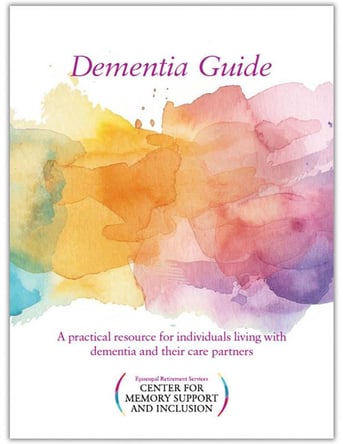
Download Our Free Dementia Guide
Learn more about dementia, including diagnoses and what to expect, communication tips and brain health strategies, as well as practical tools for navigating day-to-day challenges in our newly updated Dementia Guide.