


Many older adults hope to remain in the home they know and love for as long as possible. In many cases, that’s entirely possible with the right support. But there may come a time when living at home is no longer the safest or most comfortable option. Recognizing the signs early gives families time to explore options, have thoughtful conversations, and make decisions together.
Here are common signs that your loved one may benefit from additional support.
1. Everyday Tasks Feel Harder
Keeping a home safe and comfortable requires a variety of everyday tasks. As people age, some of these responsibilities can become more physically demanding.
For example, your loved one may have difficulty:
- Lifting and carrying trash bags
- Reaching, bending, and cleaning up spills or clutter
- Carrying laundry and safely unloading the washer and dryer
Needing help with housekeeping doesn’t automatically mean someone can no longer live independently. Many older adults continue to live safely at home with assistance from family members or professional caregivers. But if routine household tasks are consistently being neglected, it may be time to explore additional support.
Related Blog: What is 'Normal' Aging vs. 'Abnormal' Aging?
2. Home Doesn’t Feel as Easy to Navigate
Many homes were never designed with aging in mind. Features that once felt familiar, such as stairs, bathtubs, stairs and uneven flooring, can become more difficult to navigate as balance, strength, or mobility changes.
Throw rugs, stairs, and high bathtub walls can all make falls more likely.
Some hazards can be addressed through simple home modifications, like installing grab bars, improving lighting, or moving furniture and décor that could cause falls. Other challenges such as uneven floorboards, narrow staircases, or rooms that sit at a slant may be more difficult to overcome.
If your loved one is avoiding parts of the home, struggling to move safely, or experiencing frequent falls or near-falls, it may be time to consider whether their current home is meeting their needs.
Bathtubs, stairs, and even throw rugs can present a hazard for an older adult who struggles with balance or mobility issues. While it may be easy to remove trip hazards, many homes have upstairs bedrooms, and stairs can be difficult for some seniors to navigate. Even stepping over the bathtub's rim to bathe or shower daily can become hazardous.
Installing safety features, such as a grab bar in the bathroom, may be an easy option to optimize the home for those looking to age in place. But other aspects, such as uneven floorboards, narrow staircases, or rooms that sit at a slant, can be issues that are harder to fix. Characteristics that once brought a familiar home charm and uniqueness can become inaccessible or unsafe for senior residents.
Related Blog: 5 Common Myths About Memory Care Communities
3. Meals Become More Challenging
Shopping for groceries, cooking, and cleaning up afterward can become physically and mentally exhausting over time. As a result, some older adults begin skipping meals, relying on convenience foods, or eating the same limited foods every day.
Changes in taste, dental concerns, limited mobility, or feeling overwhelmed in the grocery store can make it harder to maintain a balanced diet. Poor nutrition can affect strength, energy levels, and overall health.
If your loved one is losing weight or no longer preparing regular meals, these may be signs that greater support may improve their health and quality of life.
A diminishing sense of taste, feeling overwhelmed in the grocery store, dental issues, and fatigue from cooking and cleaning can all contribute to depriving older adults of the nutritionally balanced meals they need to maintain their strength and health. Some seniors may even need someone checking in on them daily to ensure they are eating enough of the right kinds of food.
Additionally, some older adults do not routinely throw out expired and outdated foods that may cause sickness. Not getting enough healthy food, or eating food that’s gone bad, will make seniors weak and more likely to contract illnesses
4. Memory Changes Affecting Daily Life
Occasional forgetfulness is a part of everyday life. However, when memory changes are making day-to-day routines harder, it may be time to speak to a doctor. Those memory changes can look like missing appointments, forgetting to pay bills, leaving appliances on, or forgetting to take medications.
Older adults with memory changes may often be more vulnerable to scams and financial exploitation. Unfamiliar phone calls, emails, or requests for personal information can be especially confusing, making it important for families to stay involved and offer support when needed.
Related Blog: Rest Assured After Moving Mom into Memory Care Assisted Living
Planning Ahead Can Make All the Difference
Every person’s aging journey is unique. Some changes occur gradually, while others follow a sudden illness, fall, or hospitalization. Whatever the situation, planning ahead gives families more time to explore care options together rather than making decisions in a crisis.
For some families, additional support at home may not be enough. A continuing care retirement community (CCRC) offers the peace of mind that comes with having personalized support available as needs change.
At Marjorie P. Lee (MPL), residents enjoy daily support, engaging social opportunities, wellness programming, and maintenance-free living—all within a welcoming community designed to promote independence and connection. Assisted living and assisted living memory care provide personalized support while allowing residents to continue enjoying meaningful daily experiences.
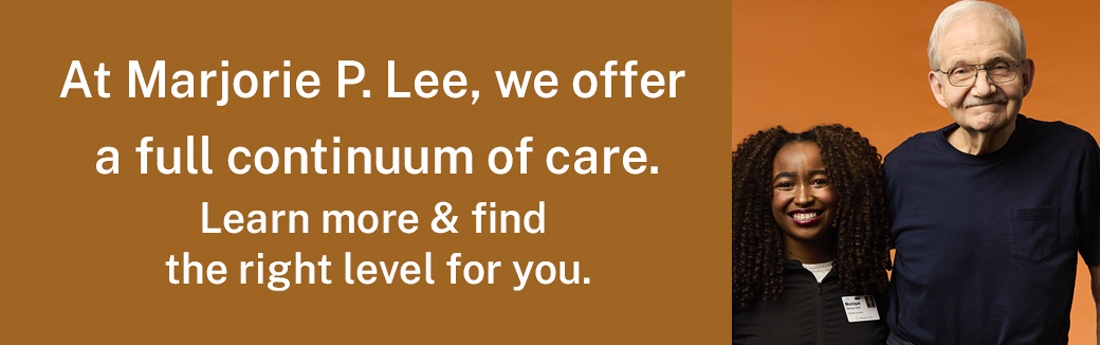
Because MPL offers a full continuum of care, residents can remain in the community they love, even as their needs evolve. Families can rest assured their loved one has access to the right level of support—today and tomorrow.
Start the Conversation Today
If you’re noticing changes in a loved one’s daily routine, now is a good time to start the conversation. Learning about your options before they’re urgently needed can help everyone feel more confident about the future.
Schedule a complimentary tour of Marjorie P. Lee to see how our community supports older adults. Contact Jenn Schlotbom at 513.533.5000 or jschlotbom@erslife.org.