


Quick Summary: Memory care doesn't mean giving up independence, dignity, or a sense of home—it means gaining personalized support that adapts as needs change. This blog breaks down five common myths, from fears about losing autonomy to worries that family caregiving is always best, so you can feel more confident deciding what's right for your loved one.A diagnosis of Alzheimer’s disease or dementia can bring a lot of uncertainty—for the person living with memory loss and for the people who love and care for them. One of the biggest questions families face is whether memory care is the right choice.
It’s a deeply personal decision, and no one answer works for every family. But misconceptions about memory care can sometimes make an already difficult decision feel even harder.
Let’s take a closer look at the five common myths about memory care assisted living and what families should know.
1. “Memory care community means giving up independence.”
It’s easy to think of independence as doing everything on your own. But independence can look different for each person—and moving to a community that provides memory care doesn’t mean giving that up.
The right environment can help someone maintain their independence by providing the support they need while allowing them to continue making choices about their daily lives.
That might mean choosing what to wear, how to spend the day, joining in a group activity, or enjoying a quiet moment.
At Marjorie P. Lee, we believe older adults should have opportunities to live with purpose, dignity, and choice. Support is there when it’s needed, while each person’s individuality remains at the heart of their care.
2. “There’s nothing meaningful for residents to do.”
Memory care is about much more than keeping residents busy.
Meaningful engagements start with getting to know the person—not just their diagnosis. What brings them joy? What are their interests and routines? What experiences have shaped their lives?
Sometimes something as simple as folding towels, listening to a favorite song, or sharing a story from years ago can create a meaningful moment.
The goal isn’t to simply fill the day. It’s to help each person feel connected, valued, and engaged in the life around them,
For resident Suzanne Sizer, her daily routine and hobbies are welcomed.
She has always been an early riser and joins her friends for breakfast bright and early. After that, she is off to garden, attend a religious service, or sit back with a book.
“It just feels like a natural extension of my life,” Suzanne said. “I was hesitant at first, but now I see the security, the warmth, and the community around me—and life here has been good.”
3. “Memory care communities are impersonal and institutional.”
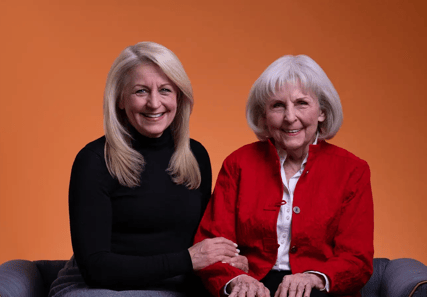 Movies and television have often given us a very different picture of memory care—long hallways, clinical environments, and little sense of home.
But memory support can, and should, feel like a place where people belong.
A thoughtfully designed memory care assisted living community considers how the environment can help residents feel comfortable, safe, and oriented. Familiar spaces, natural light, inviting gathering areas, and opportunities to spend time outside can all contribute to a more welcoming experience.
For resident Kathleen Cassini, her apartment in a memory care community doesn’t feel like home—it is home.
Her daughter, Lisa Whitte, was relieved to see how personal everything felt to her mom.
“Mom’s home has all her favorite things, her furniture, her art, all her plants. It’s so comforting to know she has everything she needs.”
When team members take the time to learn a resident’s story, celebrate their personality, and build a genuine relationship, care becomes about more than meeting physical needs—it becomes about truly knowing the person.
Related Blog: What Exactly is Memory Care?
4. “I can care for my loved one the best.”
This may be one of the hardest myths for families to let go of.
Wanting to care for someone you love is natural. And many family caregivers do an extraordinary amount to support their loved one at home.
But dementia is progressive and can be unpredictable. A person’s needs can change over time, sometimes requiring more support than a family can reasonably provide on their own.
Choosing memory care isn’t a sign that you’ve failed your loved one. It can be a way of making sure they have the care, companionship, and support they need—while allowing family members to return to being a spouse, daughter, son, grandchild, or friend.
Caregiving is an act of love. Sometimes that love means recognizing when you need help.
Related Blog: 4 Warning Signs Your Senior Loved One Isn’t Safe Living at Home
5. “Memory care is one-size-fits-all.”
No two people experience dementia in the same way. Their histories, personalities, preferences, abilities, and relationships are all part of who they are.
That’s why person-centered care matters.
A meaningful approach to memory support looks beyond a diagnosis to understand the whole person. Care teams can learn about a resident’s life story, preferences, routines, and interests and use that knowledge to shape how they provide support.
Maybe someone has always started their morning with a cup of coffee and the newspaper. Maybe music has always been an important part of their life.
Those details matter.
They help caregivers create an environment where residents aren’t defined by what they’ve lost but recognized for who they are.
Finding the Right Kind of Support
Deciding whether memory care assisted living is right for your loved one can feel overwhelming. The team at Marjorie P. Lee is here to help.
To see what person-centered memory care looks like, schedule a complimentary tour today by contacting our Director of Community Relations, Jenn Schlotbom, at 513.533.5000 or jschlotbom@erslife.org.